Tips To Lessen Loneliness During Summer
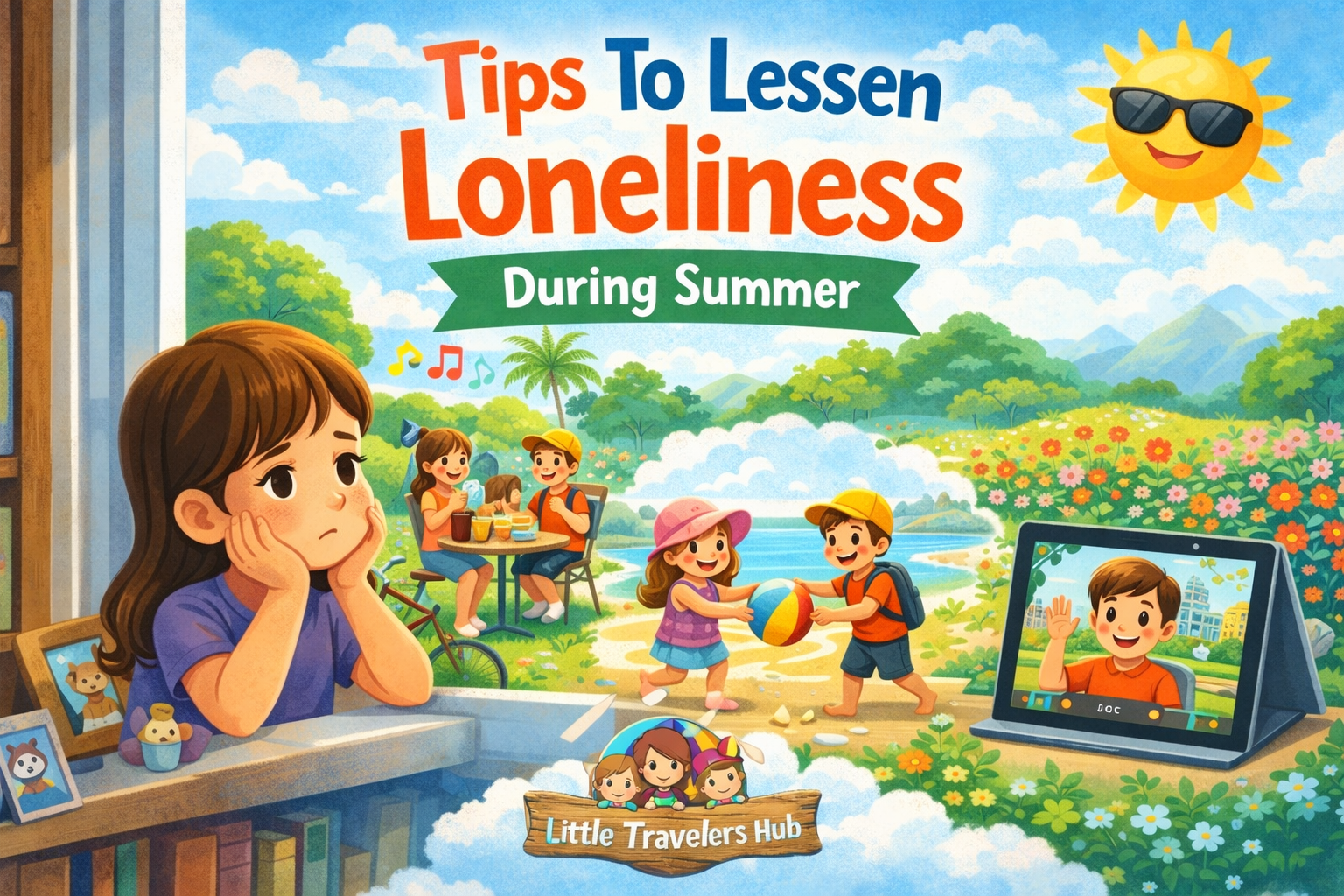
Students wait for the summers, they make plans to go outside, play outdoors, spend vacations in the cold areas, get together and what not. But, sometimes, when everything ends, summers can also create a sense of loneliness and isolation where they have nothing to do and it must be a worst feeling. Maybe the children are missing their classmates, they are looking for activities like they do in the schools, they want to meet their friends but they are out of home, or traveling. If there is no schedule assigned to them and lack of routine can also cause feelings of loneliness.
Why Loneliness Can Feel Stronger in Summer
While summer is often portrayed as a social season, longer days and constant social media highlights can amplify feelings of isolation for many people.
Understanding the Emotional Triggers of Summer Loneliness
Changes in routine, school breaks, work slowdowns, and seeing others vacationing can all contribute to feeling left out or disconnected.
Simple Daily Habits That Help You Feel Less Alone
Small actions—like walking outdoors, journaling, or reaching out to one person a day—can significantly improve emotional well-being.
Table: Common Causes of Summer Loneliness & Helpful Responses
| Cause of Loneliness | Why It Happens | Helpful Response |
|---|---|---|
| Social media pressure | Constant comparison | Limit scrolling, focus on real moments |
| Changed routines | School or work breaks | Create a gentle daily schedule |
| Lack of social plans | Others seem busy | Plan solo activities you enjoy |
| Distance from loved ones | Travel or relocation | Schedule regular calls or check-ins |
| Feeling left out | Group events without you | Practice self-compassion |
| Emotional burnout | High expectations | Rest without guilt |
How Does Loneliness Look Like In Kids?
Many parents don’t notice that their children are lonely and have nothing to do. The feeling of loneliness is not always the same in adults and teenagers. Sometimes, the children are less expressive, their isolated feelings have no language but it is disturbing them inside. They may be unable to discuss that with you, they start becoming silent. If it is happening, it is an alarming situation that must be noticed.
Children are children, parents should not treat them like adults. Their minds are not fully formed, so being a parent, be aware of the difference between how children and adults reflect and respond to the feelings of loneliness.
Indicators Of Loneliness In Young Children
- They become extra possessive in nature
- Ask parents or elders to play and be with them more than usual.
- Often interrupting parents and desperate to get attention
- They remain in their imagination and make imaginary friends and replace the real ones
- Frequent crying and get scared
- They don’t want to separate from the caregivers
Indicators Of Loneliness In Teens and Tweens
This is not only with the children but can happen with anyone. As we said, the signs of isolation may differ.
- In loneliness, they choose to be in their bedroom or just want a silent space.
- No interactions with the friends, no messages, no calls, zero meetups.
- They don’t make friends outside of school.
- They are dependent on the parents or other family members whether it is about friendship or a get together.
- They have no social circle.
Talk About Loneliness
It might sound awkward and unrealistic but talking about loneliness is important. The best time is when you are also
feeling isolated, go to your child and show them that anyone, anywhere can feel alone, and it is completely normal. When you are sitting with them, talking to them and giving them time, will strengthen your bond and also have positive impacts on our kid’s self esteem. During the conversion, both of you must explore more ways to connect to the world and that’s how you can cope with loneliness.
Tips To Initialise Conversation
- How Are You Feeling?
Start a conversation by asking open ended questions about what they feel, what they want and what they love to do. Encourage them to express their feelings of lonesomeness or whatever they are feeling. Then reflect back accordingly, ask follow up questions.
- Share Your Assumptions
Sometimes, it is better to initialize by sharing your observations. So, if you are noticing any mysterious and unusual behavior in your child, highlight it. You may talk about why they are not interacting socially, ask them if they want to meet anyone or go anywhere. However, if they start sharing anything, let them talk and be a good listener.
- Ask Them How Would You Be Happy
Doing something that can make them naturally happy would be a good gesture for them. You know your child, so prefer doing the tasks that can make them happy. For Example, if they often show interest in kitchen chores, ask them to help you while cooking. If your son is good at playing football, start playing and invite them to join.
- Encourage Them To Interact Others
Your child is feeling alone, what if they interact with others. It will promote inclusivity and empathy in them. Maybe the other one is also feeling alone, if yes, then they both can create a sense of sociality.
Takeaways Section
Key Takeaways to Lessen Loneliness During Summer
- Loneliness is common and valid, even during “happy” seasons
- Small, consistent habits can improve emotional connection
- Meaningful interactions matter more than social quantity
- Summer is an opportunity for self-reflection and healing
- Reducing comparison helps restore emotional balance
- Seeking support is a strength, not a weakness
FAQs
FAQ 1: Why do I feel lonelier in summer than other seasons?
Summer often brings social expectations and visible comparisons, which can intensify feelings of isolation.
FAQ 2: How can I feel connected if I don’t have many friends nearby?
Focus on small connections—neighbors, coworkers, online communities, or even regular routines that involve people.
FAQ 3: Are solo activities helpful for loneliness?
Yes. Purposeful solo time can build confidence and reduce emotional dependence on constant social interaction.
FAQ 4: How much social media is too much during lonely periods?
If scrolling increases sadness or comparison, it’s a sign to take breaks or set limits.
FAQ 5: Can loneliness affect mental health in the summer?
Yes. Prolonged loneliness can impact mood, sleep, and motivation if left unaddressed.
FAQ 6: When should I seek professional help for loneliness?
If loneliness feels overwhelming or persistent, speaking with a counselor or therapist can be very helpful.