
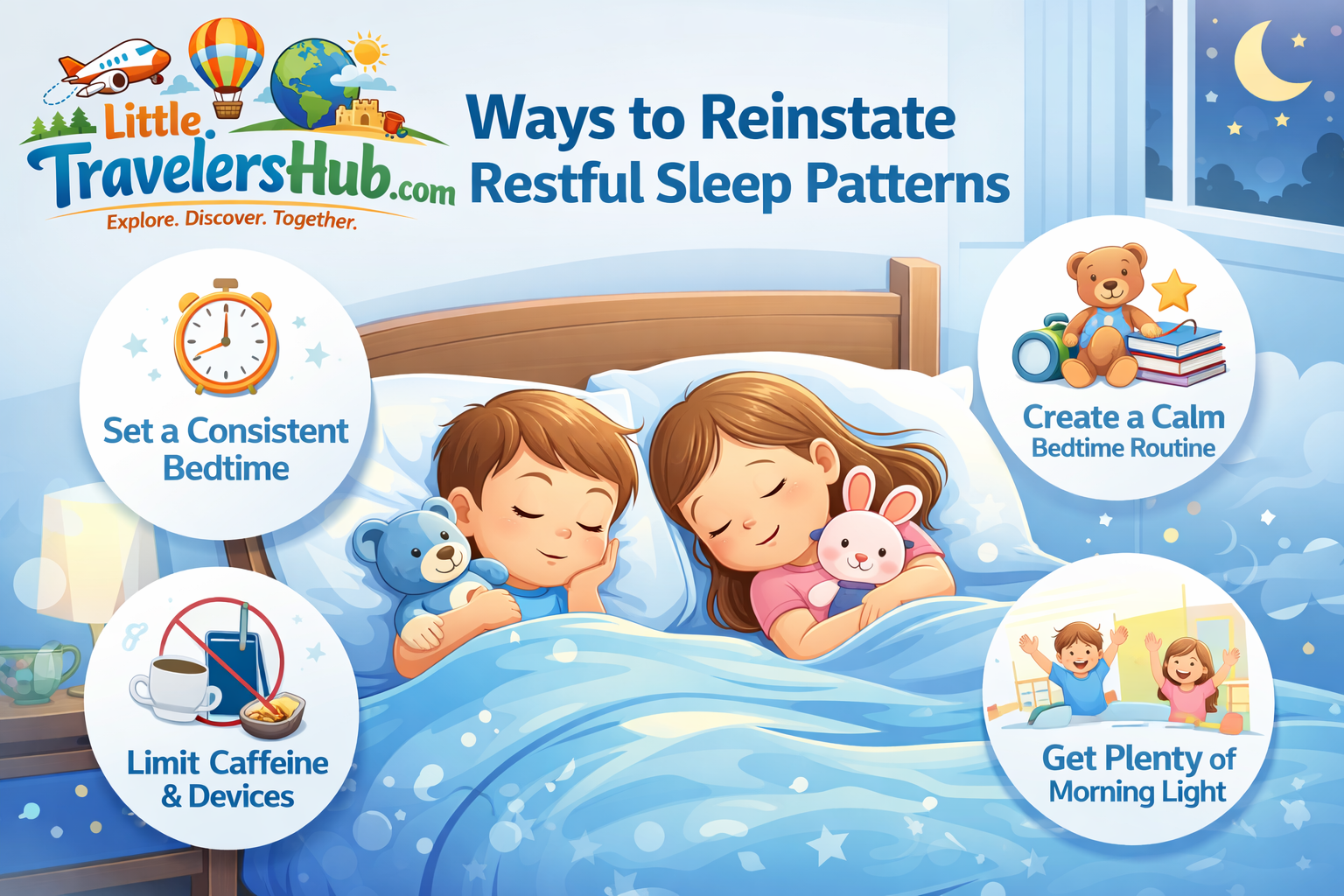
Ways to Reinstate Restful Sleep Patterns
Ways to Reinstate Restful Sleep Patterns. Autumn has returned and I am waiting for the children to get back to their routines. The late night orders, late night sleep orders, rolling out of bed just before lunch, family gatherings and social interactions have just ended now. The specific responsibility of making breakfast on time, ironing uniforms, and making children ready and dropping them in school, all the things have come back now. The transition back to a constant sleep routine to make sure that the kids have energy to power their school days can be a very difficult situation to get back to.
Ways to Reinstate Restful Sleep Patterns
Understanding Why Sleep Patterns Break Down
Modern lifestyles, excessive screen time, stress, irregular schedules, and poor sleep hygiene can gradually disrupt the body’s natural sleep–wake cycle, making restorative sleep difficult.
Practical Lifestyle Changes That Improve Sleep
Small, consistent habits—such as fixed sleep times, reduced caffeine, and mindful evening routines—play a powerful role in retraining the body for deeper, more regular sleep.
Optimizing the Sleep Environment
A quiet, dark, cool, and comfortable bedroom signals the brain that it’s time to rest, significantly improving sleep quality and duration.
Comparison Table: Common Sleep Disruptors vs. Better Alternatives
| Sleep Disruptor | Why It Hurts Sleep | Better Alternative |
|---|---|---|
| Late-night screen use | Suppresses melatonin | Screen-free wind-down routine |
| Irregular sleep times | Confuses circadian rhythm | Fixed sleep and wake schedule |
| Heavy meals at night | Disrupts digestion | Light, early evening meals |
| Excess caffeine | Stimulates nervous system | Herbal tea or water |
| Stress before bed | Activates fight-or-flight | Relaxation or breathing exercises |
Why Is It So Hard To Make Kids Sleep?
According to studies in 2023, Center Of Disease Control and Prevention showed that 35% of kids ages from 3 to 17 have to face difficulty while sleeping and they don’t get enough sleep as required to their age, while 70% of US teens get insufficient amounts of sleep. 57% of kids are unable to find a consistent routine of bedtime even when they want to have a good amount of sleep. There are several factors that can create sleeping disorders in children. For instance, living in a low income family, minority group, previously diagnosed mental health disorder, parents with mental or physical issues, factors like neighborhood security, support and local facilities also matters the most.
One factor that is not mentioned but it is considered to be the most effective is that it interrupts sleep timings and that is the role of technology. The teens and even adults are completely engaged in screen time in late nights, it affects the quality of sleep due to continuous brain simulation.
An adequate amount of sleep can defend mental health challenges.
While we all have to face sleep challenges from time to time due to several adult reasons, the brains of kids are sensitive to insufficient sleep. According to Texas Children’s Hospital, if a person has chronic sleep difficulties, he may face mental problems like depression and anxiety. If children are already getting through the mental disorders then sleep deprivation can cause worse health issues.
According to studies, those children who have depression issues, have difficulty getting to sleep. A night spent with a bad quality of sleep increases the feeling of laziness that leads to sadness and poor self esteem. These situation opens road to suicidal ideation specially for those who have intense sleep deprivation and struggling with major depressive disorder.
Children who are unable to have an incomplete sleep may have trouble focusing and staying on task, or acting without thinking. This issue can lead to wrong analysis of ADHD when the real issue is poor sleep.
In this era of depression and tensions, sleep works like a superpower that helps everyone to stay active, fresh, in a good mood and behaviour throughout the day. As a parent, how can you say that your kids are taking full advantage of a night to sleep?
Help Your kids to catch More Zzz’s
Schedule a Time To Worry
Scheduling a time to worry might sound odd but it is helpful more than your thoughts. To worry, is the big reason behind spending hours sleepless at bedtime. Children are stuck in various chores like homework, extracurricular activities, school tests, and responsibilities. In this hustle bustle, kids have the right to spend a few hours alone to process their emotions that are stacked up throughout the day. Some children avoid going to bed because they are afraid of those worried feelings and anxiety, it is not always about being naughty but they maybe avoiding those anxious feelings.
Children find time to spend on their own when they are in bed. If they are not fully aware how to cope up with these feelings during the day, then their bedtime could be scary or stressful.
Here, if the parents set aside a “ worry time “ for younger children and encourage older ones to have an open dialogue with the parents. When children have time to worry and think deeply on any issue, they not only get normal but also encourage emotional expression and have time to learn through these expressions.
Make A Routine
Knowing that it is a time to relax and get into sleep has positive impacts on children. It sets clear understanding and expectations for kids that reduce bedtime arguments, and it creates a special time for parents and kids to connect.
Here are some tips to follow to establish a quite good bedtime.
- Give space to younger children that how they want to set their routine and in which order. Like brushing teeth, putting on PJ’s etc. This will give them a sense of autonomy.
- A visual Checklist with pictures in which they choose or draw themselves can assist them in staying on a task. It is helpful for the kids having trouble following the bedtime routine or those who delay going to bed.
- If your children want to play, manage a game “ beat the timer “. It will make bedtime more fun for those who want extra motivation. Let them check every single step as they finish it to see their progress.
Try “ Bedtime Fading “ to sleep peacefully
Sometimes kids have to face sleep difficulty even in calming situations. In this case, bedtime fading is a good option. A method in which the parents can move bedtime closer when the kids fall asleep naturally. Then, they can shift early timing in small steps. This thing will reset their body and they can fall asleep easier.
Key Takeaways
- Consistency matters more than perfection when rebuilding sleep patterns
- Evening routines strongly influence sleep onset and depth
- Light exposure and screen habits directly affect melatonin levels
- A supportive sleep environment enhances natural rest signals
- Managing stress is as important as physical sleep habits
Frequently Asked Questions (FAQs)
1. How long does it take to restore healthy sleep patterns?
Most people notice improvements within 1–3 weeks of consistent sleep-friendly habits, though full regulation may take longer.
2. Is it okay to nap during the day?
Short naps (20–30 minutes) early in the afternoon are fine, but long or late naps can interfere with nighttime sleep.
3. Can exercise help improve sleep quality?
Yes, regular physical activity promotes deeper sleep, but intense workouts should be avoided close to bedtime.
4. Should I stay in bed if I can’t fall asleep?
If you’re awake for more than 20–30 minutes, it’s better to get up and do a calming activity until you feel sleepy again.
5. Do sleep supplements really work?
Some supplements may help short-term, but long-term sleep improvement relies more on habits and routines.
6. When should I seek medical advice for sleep problems?
If poor sleep persists for several months or affects daily functioning, consulting a healthcare professional is recommended.